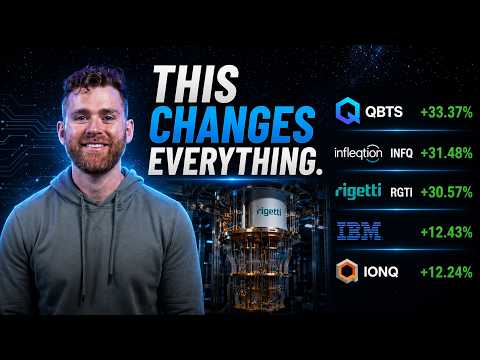
In a sweeping gesture that felt equal parts audacious and inevitable, the U.S. government has extended a colossal $2 billion olive branch to nine quantum-related companies, effectively signaling quantum computing as a new frontier of national strategic importance. This decisive move is more than a financial endorsement; it is a cultural one, quietly reaffirming that quantum technology now resides at the intersection of ambition and necessity.
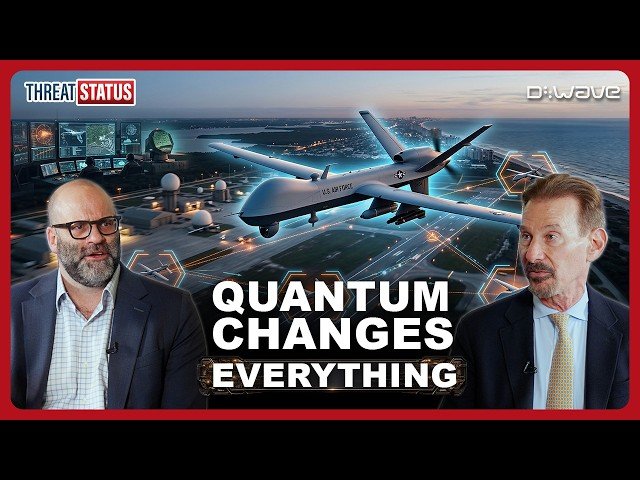
The market’s reaction was immediate and striking, akin to the first lighting of a grand chandelier, every bulb suddenly bright in symmetry. D-Wave took the lead, its stocks leaping by 33.3%, a surprise even for those well-versed in its recent history—it had surpassed last year’s revenue in just its first month of 2025. Other names like BTQ, SEALSQ, and IonQ weren’t far behind, enjoying similar ascents and casting further light on the ripple effects of governmental endorsement.
Based on content from The Quantum Bull
The announcement from the Department of Commerce carried weight not just in its hefty figures but in its meticulous detail—letters of intent from nine companies, each an emblem of the U.S.’s commitment to nurturing foundational advances in quantum. Among them, stalwarts like IBM stand out, already marching toward establishing a planned quantum foundry on American soil. The implications for manufacturing, national security, and the race toward utility-scale quantum computing cannot be overstated. This is infrastructure-building of a new kind, demanding not steel and rails, but wafers and qubits.
The clarity of the government’s stance invites both awe and reflection. IBM’s partnership with the U.S., marked by a proposed billion-dollar investment in a standalone quantum foundry, highlights this inflection point in the narrative of technological progress. Such a move isn’t just about keeping pace—the race is now about redefining the parameters of possibility.
While companies like IonQ might seem conspicuously absent from this list, a deeper look reveals that absence here does not equate to exclusion. IonQ investors might feel a flutter of anxiety, but it’s likely misplaced. The optimism that pervades the quantum sector suggests that today’s announcements are but one chapter in a continually unfolding story. Each quantum company, whether direct recipient of this governmental largesse or not, stands to benefit from the rising tide that buoys the burgeoning field.
As in any grand endeavor, volatility is inevitable. The market, ever fickle, reflects this unease even amidst leaps forward. Should this give investors pause? Perhaps. But more than anything, it underscores the fundamental excitement of these times—the collective sense of standing on a precipice staring into a landscape sculpted by quantum potential.
This is more than an investment in hardware and systems; it’s a commitment to the idea of quantum, an acknowledgment that in its duality, in its very complexity, lies solutions to questions we have not yet dared to frame. Therein lies the future, where confusion bridges into clarity.
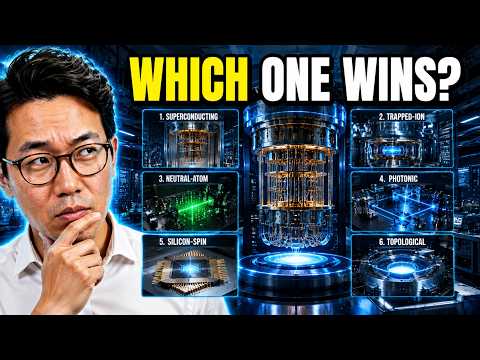
Listening to leaders like Matt Kinsella from Inflection, the optimism is palpable. He speaks to the de-risked nature of this new funding, the accelerated timelines, and the technical milestones yet to be achieved—the momentum is palpable. Even as Google steps into the field of neutral-atom quantum computing, we are reminded of the long shadows cast by pioneers who have spanned the gap between idea and execution for decades.
Today’s announcement is about more than financial commitment; it’s about strategic vision. The U.S. is making a significant wager, not just on the companies but on the concept itself—a show of faith that technology will continue to shape and guide our collective futures if only we possess the courage to reach for it, to underpin it with the heft of national importance.
The story continues, laden with potential and propelled by investment. It welcomes us to the frontier, where every qubit is a whisper of what could be—a melody replete with both grace and gravity.
Consider this then, an invitation: to follow the arc of this story as it unfolds, to engage with the dialogue of discovery and innovation. In quantum, we find not just technology, but a testament to human curiosity—a narrative where the fork in the road leads both to new worlds and back to the essence of what it means to advance. Where we go from here is both a mystery and a promise.
—