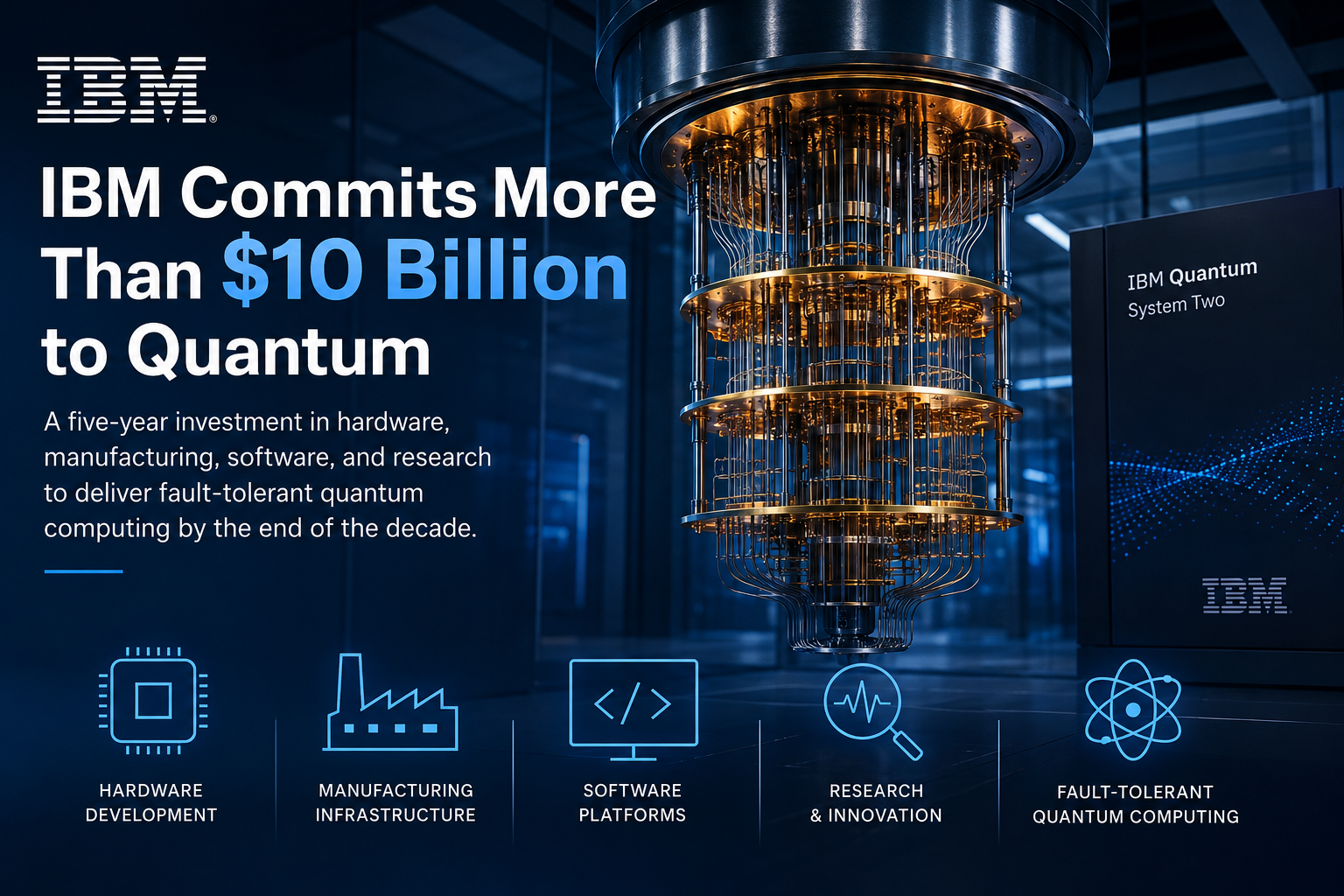
For years, quantum computing was the tech world’s unicorn—shimmering, distant, and probably not real anytime soon. But lately, it’s galloping into view.
Breakthroughs are happening faster than expected. Google and Microsoft have rolled out experimental quantum chips. The UK dropped £500 million into quantum R&D. Suddenly, it’s not “if” but when—and “maybe someday” has turned into “this decade.”
Wait, What Is Quantum Computing?
Let’s break it down.
Classical computers—the ones you’re using now—run on bits: 0s or 1s.
Quantum computers use qubits, which can be 0 and 1 at the same time. (This mind-bender is called superposition.)
And then there’s entanglement—a quantum connection where the state of one qubit instantly affects another, even if they’re miles apart.
Translation: While your laptop tests one solution at a time, a quantum computer can explore many possibilities at once.
That makes it a game-changer for solving problems classical machines stumble over—like cracking complex encryption, simulating molecules, or untangling global logistics nightmares.
Why It Matters (Even If You’re Not a Scientist)
Quantum computers aren’t here to replace your phone or email. They’ll sit quietly in the background solving very big, very hard problems.
- Healthcare: Faster drug discovery, better protein modeling.
- Finance: Risk modeling, smarter investments, fraud detection.
- AI & Logistics: Better optimization, more efficient supply chains.
- Cybersecurity: Here’s where things get serious.
The Looming Threat: Quantum vs. Encryption
Almost everything online—banking, messaging, government secrets—relies on encryption that classical computers can’t easily break.
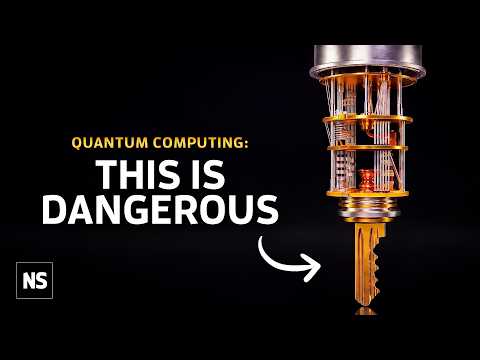
Quantum computers? They could crack it. Fast.
This opens up a risky tactic:
“Harvest now, decrypt later.”
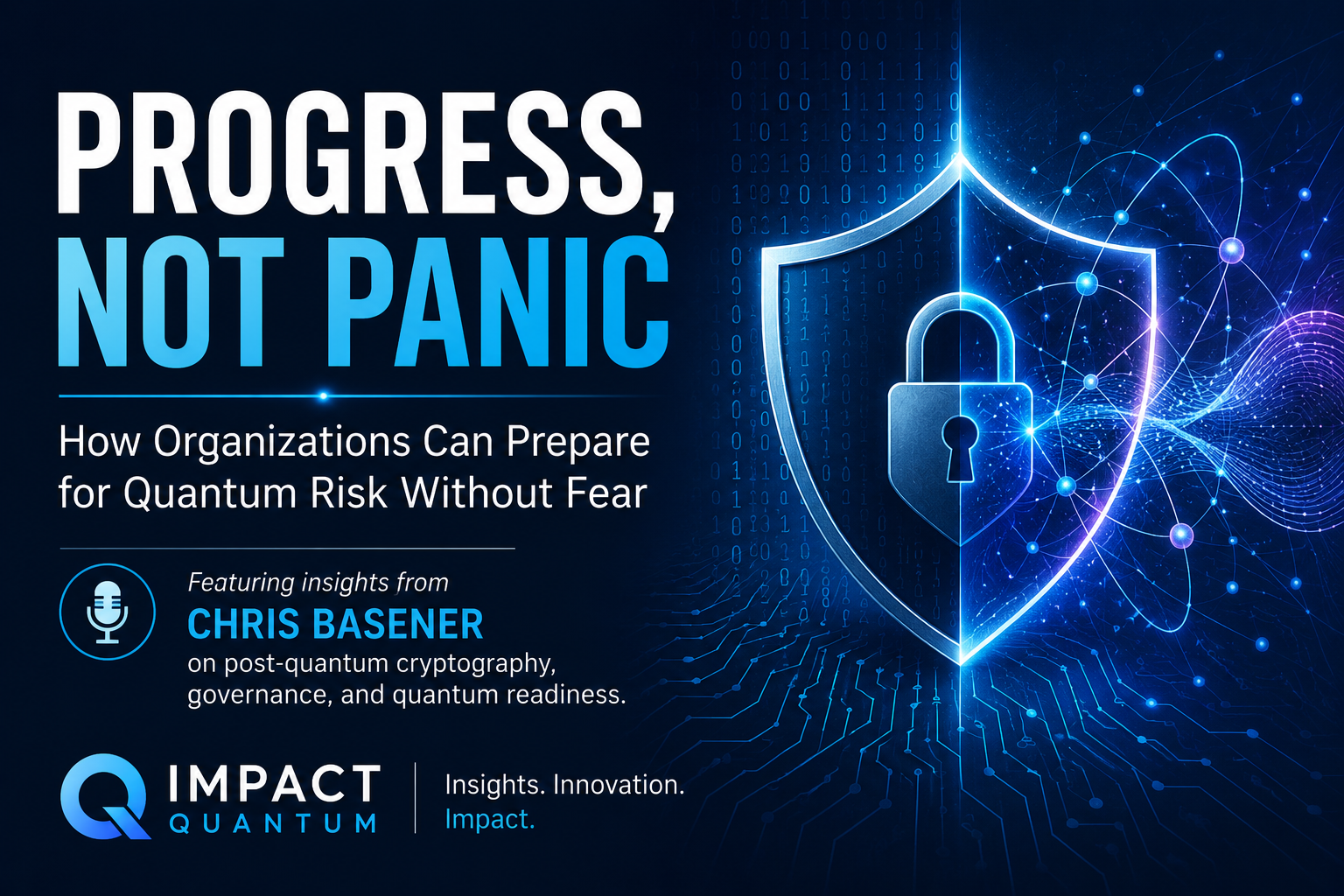
Hackers can steal encrypted data today and unlock it once quantum tech matures. That “safe” data could be exposed tomorrow.
If we don’t shift to quantum-safe encryption, the fallout could be massive.
The Readiness Gap
And here’s the real kicker:
- Just 4% of companies have a quantum strategy.
- Over 50% haven’t even added it to their roadmap.
- Most security teams don’t understand post-quantum cryptography—the new encryption designed to withstand quantum attacks.
So while quantum tech is sprinting ahead, most organizations are… well, not even stretching.
What Needs to Happen Now
1. Awareness: Quantum can’t stay locked in the lab. Executives, policy-makers, and IT leads all need to get the memo.
2. Action: Start mapping where your systems rely on encryption. Begin testing quantum-safe alternatives now—not later.
3. Collaboration: Think open-source meets national defense. Governments, researchers, and businesses must align quickly.
4. Upskilling: We need people who understand both quantum and cybersecurity—because you can’t protect what you don’t understand.
Quantum is coming faster than expected. It could unlock medical miracles and solve unsolvable puzzles—but it also threatens the digital locks protecting our banks, secrets, and identities.The best way to prepare? Start now.
Because once the genie is out of the quantum bottle, it won’t wait for us to catch up.
Stay Connected
Follow our journey and be part of the conversation:
🔗 Find us on LinkedIn
📬 Join our mailing list
📺 Subscribe to our YouTube channel