I’ve been casually orbiting the world of quantum computing for a while—fascinated, confused, occasionally overwhelmed. Most of what I saw felt like sci-fi: abstract concepts, endless talk about qubits, and promises that something big was coming… eventually.
Then I stumbled on IBM’s Project Starling. And something clicked.
It turns out, quantum isn’t just about adding more qubits anymore. That’s been the story for the last decade—more qubits, more noise, more complexity. But the real breakthrough? Making those qubits useful.
So, What Is Project Starling?
It’s IBM’s long-term plan to move from fragile quantum prototypes to machines that can run real workloads. Think: weather models, molecular simulations, and complex logistics. Stuff that classical computers struggle with.
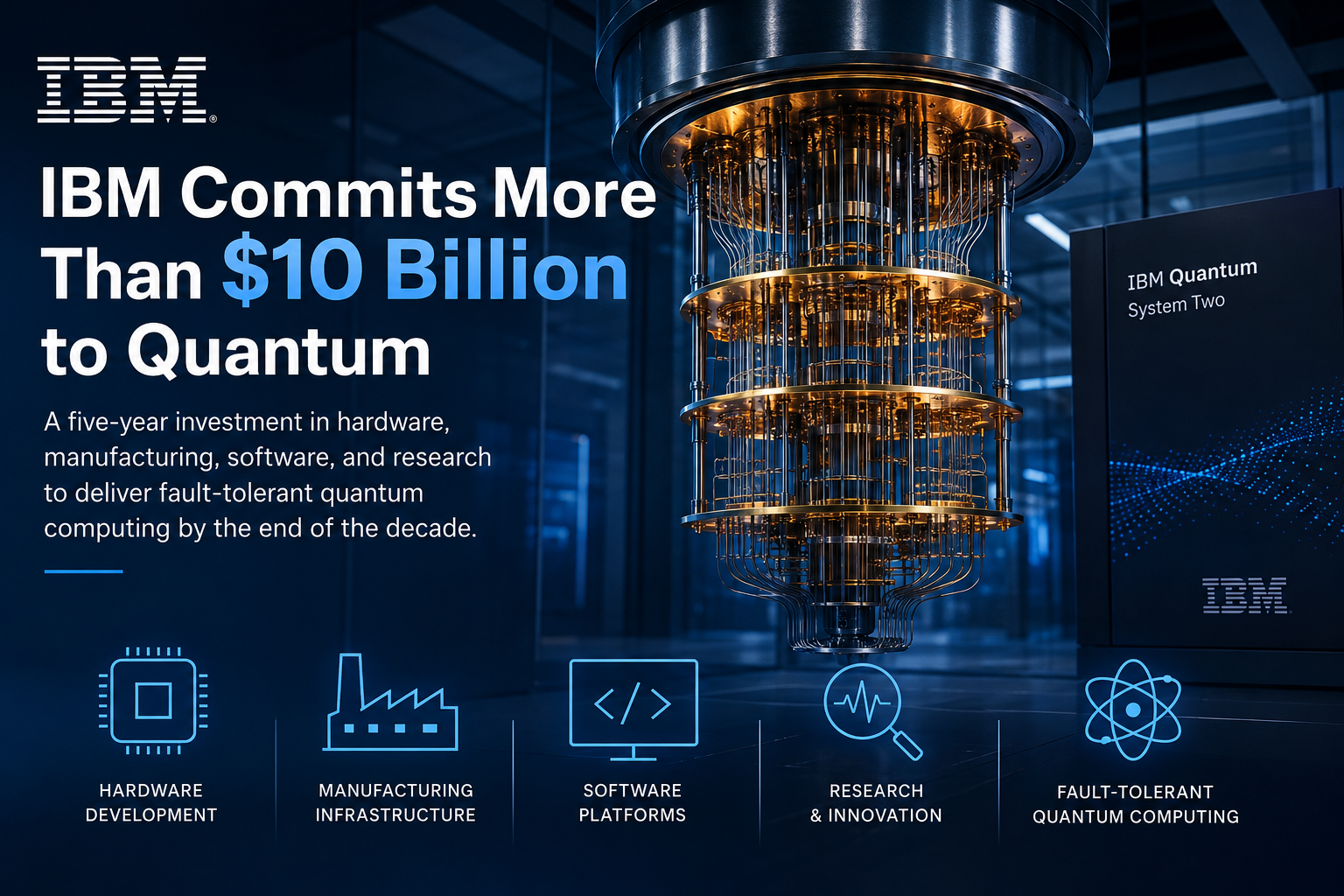
By 2029, IBM aims to build systems with 200 error-corrected logical qubits and run circuits with up to 100 million gates. That might sound like jargon, but here’s the punchline: it would make quantum computing practical. Not perfect, not magic—but genuinely helpful.
The part that hooked me: IBM isn’t selling dreams. They’ve laid out a modular, step-by-step roadmap grounded in engineering reality. It’s not just about chasing “quantum supremacy”—it’s about building systems people can trust, upgrade, and use.
It feels like the shift from prototype to platform. And it makes quantum computing something I can imagine working with, not just reading about.
As someone learning about this space, Starling feels like a turning point. Not just for IBM, but for the whole field. It invites a new kind of curiosity—the kind that isn’t intimidated by the tech, but energized by the possibility.
Quantum isn’t just for physicists anymore. It’s becoming a space for builders, developers, and problem-solvers. And for those of us watching from the edges? This might be the moment to lean in.
I’m still learning. Still Googling half the terms I come across. But Project Starling gave me something rare in tech: a timeline I can understand, a goal I can track, and a reason to believe that quantum’s future is less “if” and more “when.”
If you’re curious too, come along. The next chapter of quantum is being written—not in theory, but in real systems. And maybe, just maybe, we’ll be part of it.
Stay Connected
Follow our journey and be part of the conversation:
🔗 Find us on LinkedIn
📬 Join our mailing list
📺 Subscribe to our YouTube channel