Imagine a global race not marked by swift athletes or speeding rockets bound for distant celestial bodies but rather defined by an intellectual pursuit so intense that it could reshape the very fabric of reality. This isn’t the script of a science fiction movie; this is the narrative of the race to achieve quantum advantage—the point where quantum computers solve problems that are insurmountable for traditional computers.
Now, if you’re picturing quantum computers as just beefier versions of the device you’re reading this on, let’s adjust that image. Think of your current computer as a diligent artist working with only black and white, creating clear, distinct contrasts. A quantum computer, however, wields a palette with an infinite spectrum of colors, embracing complexities that our binary systems can barely comprehend. This capability opens a veritable Pandora’s box of possibilities, both thrilling and formidable.
This video is from ImpactQuantum.
Understanding the players involved in this global chase isn’t straightforward; it’s not merely a sprint to a finish line but resembles more a masterful, multi-player game of chess, where strategies vary significantly by player. There are three main strategic archetypes emerging globally: the builders, the orchestrators, and the niche strategists.
Builders like Australia and China, for instance, are channeling billions into developing the hardware of quantum computers. Australia, partnering with Squantum, is investing heavily with an aim to craft a fault-tolerant, utility-scale quantum computer by 2028—a mammoth goal that, if achieved, would not just put them at the forefront of quantum computing but potentially revolutionize industries across the globe.
Then we have the orchestrators, countries like the UK, who see the bigger ecosystem. Their approach? Foster a thriving quantum environment through a mix of research, startups, and strategic partnerships. This isn’t about just creating a quantum computer but mastering the entire lifecycle—from theoretical physics to practical applications. Their long-term plan involves heavy investments and tapping into a broad academic and entrepreneurial base, essentially cultivating a fertile ground for quantum advancements.
And we can’t forget about the niche strategists like Finland, who, aware of their limitations in competing head-to-head on financial terms with giants, opt instead for precision. They focus on leveraging their particular strengths, resulting in rapid advancements like their operational 50 qubit quantum computer, currently accessible to researchers throughout Europe.
However, deepening this narrative of strategic diversity are some common formidable adversaries that all players, regardless of their approach, must contend with. First up is the talent gap: the global dearth of quantum-skilled professionals. From the engineers building the hardware to the scientists and programmers theorizing and testing quantum algorithms, the demand starkly outweighs the supply. This crucial shortfall is perhaps the most salient brake on the quantum leap forward.
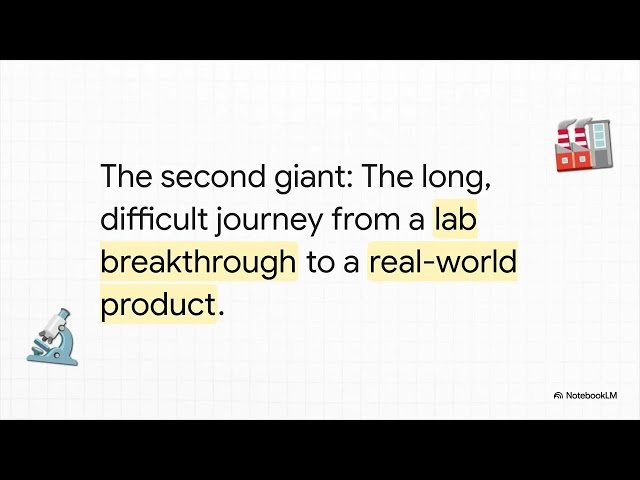
The second universal challenge is the sheer complexity of quantum technology. Turning groundbreaking lab results into robust, market-ready quantum products is not only technically challenging but also astronomically costly. Each step from theory to practical application involves navigating a labyrinthine path that tests the resilience and resourcefulness of even the most well-funded initiatives.
Why bother, you might ask? The stakes are starkly dual-sided: on one end, quantum computing holds the potential to unlock new materials, streamline drug discovery, and deliver unprecedented models of our climate. On the other, it poses significant risks, such as the ability to break the very encryption that guards everything from our personal financial details to national security secrets.
With these high stakes, the race is not just to pioneer quantum computing capabilities but simultaneously to fortify our defenses against potential quantum-era threats. Governments worldwide are already in motion, crafting and implementing post-quantum cryptography standards to shield sensitive data from future quantum disruptions.
So, as we stand on the precipice of what could be the next great revolution in computing, the key question may not solely be about who gets to quantum advantage first but about who will shape the foundational rules—ethical, operational, and security-related—that will govern the widespread deployment of this transformative technology.
In the intricate dance of global quantum supremacy, where competition and collaboration continuously interweave, the real victory may lie not merely in technological dominion, but in steering the course of its application wisely and humanely.