Imagine, if you will, a world where describing a new, groundbreaking material is possible before anyone even knows how to construct it. A catalyst that could transform waste carbon into fuel oceans away, or a battery charging in mere minutes. The concept, though seemingly straightforward—to find a harmonious arrangement of atoms—becomes a labyrinthine challenge once we delve into its complexity. A catalyst with 30 potential positions and five available elements yields approximately 930 quintillion possible configurations. Even testing one per second under such odds would take us beyond two thousand times the age of the universe to complete.
Based on content from Leo Cui, Ph.D., CFA
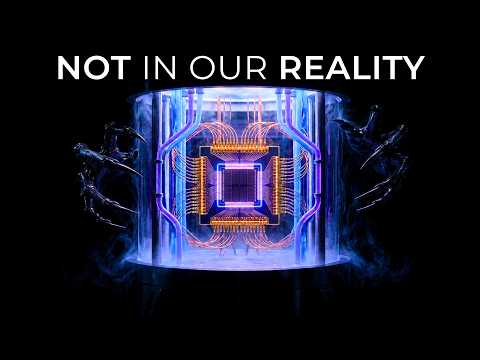
AI offers a route through this maze by learning patterns from known materials and predicting new candidates efficiently. Yet, when results deviate from training data, the predictions grow less reliable. Enter quantum computers, designed to navigate strong electron correlations where classical computers falter. The journey of quantum computing is rife with distinct approaches and obstacles.
Beyond a mere contest of speed, a quantum computer translates quantum behavior into computations. From superconducting circuits chilled near absolute zero to optical chips maneuvering photons, the methods vary but share a goal: usable, reliable qubits. Superposition and interference not only make quantum computing intriguing but also demystify common misconceptions such as measuring 50 qubits yielding merely a 50-bit string, not a multitude of answers simultaneously.
Firms like IBM, Google, and several others spearhead this quantum movement. Each employs unique strategies, all aiming to transcend classical limitations—but progress is uneven. Superconducting circuits lead in scalable attempts, while trapped ions boast impressive fidelity. Neutral atoms and photonics are compelling, yet they tread carefully due to inherent challenges. The field continually poses the question: will classical algorithms or AI render a quantum breakthrough unnecessary before it materializes?
A counterpoint to quantum advancements could come from classical computing and AI paradigms. Hybrid approaches of today already leverage classical strengths in quantum frameworks. That’s why understanding quantum phase estimation is key—reading out a molecule’s energy using Hamiltonians informs further computational strides and material discoveries.
Reliability remains crucial. Fidelity informs the likelihood of successful calculations: jumping from 99% to 99.99% fidelity drastically improves success rates. This pursuit extends to robust error correction, spreading logical qubits over numerous physical ones—eschewing error tendencies inherent in their quantum nature.
Quantum computing’s utility lies in performing heavy calculations otherwise unreliable or cost-prohibitive on classical systems. It’s less a replacement of classical computation and more a complement—one that still requires a keen understanding of physics and engineering subtleties.
Investors also tread a nuanced path as they navigate quantum’s commercial potential. Revenues are largely speculative, with funding and dilution hinting at economic sustainability. Whether quantum technology can offer value commensurate with its hefty investment is a suspense-filled financial narrative.
As the quantum computing odyssey unfolds, the markers of value will evolve—both in scientific milestones and market valuations. The commercialization journey is subtly interwoven with technological prowess, demanding investors remain informed and astute.
Ultimately, quantum computing invites us not just to explore its scientific potential, but to reimagine its societal and economic impacts. As we continue along this path, the question isn’t simply when quantum computing will fulfill its promise but how its breakthroughs will reshape our landscapes.
—