Artificial intelligence is already changing how we work, learn, and interact with technology. Things that seemed impossible just a few years ago are becoming part of everyday life. And with the pace of technological development, it’s hard not to wonder what the world might look like ten years from now.
Which technologies will actually change our lives by 2036, and which will struggle to move beyond the excitement surrounding them?
It’s a question I’ve been thinking about as I follow developments in AI, quantum computing, and other emerging technologies. There’s no shortage of ambitious predictions, but I’ve become more interested in what these technologies can actually do today and what still needs to happen before they become widely useful.
To explore that, I’m looking at five areas of innovation through four questions:
- What can the technology do today, and what evidence do we have that it works?
- What breakthroughs would make it significantly more useful?
- What’s preventing it from becoming widely available or affordable?
- By 2036, what might meaningful adoption look like in our everyday lives?
I’m particularly interested in that last question. A technology doesn’t have to change the entire world to make a difference. Sometimes its greatest impact comes from solving a problem we’ve lived with for so long that we’ve stopped imagining a better way to do things.
The next decade will undoubtedly bring new discoveries. What remains to be seen is which ones will make the journey from research labs into our homes, workplaces, and communities.
Based on content from Tech
Artificial Intelligence and AI Agents: The Vanguard
Emerging as the most pervasive force among our quintet, AI and its agents are quietly revolutionizing environments ranging from corporate spaces to personal computing. Currently, we witness language models that not only write and code but engage in translation efforts that echo multilingual eloquence. Multimodal systems have blurred the lines, ingesting images and sounds while AI agents, software-centric entities, manage tasks traditionally assigned to human workers.
However, challenges remain. AI agents occasionally falter—creating fictitious scenarios, raising critical questions about data privacy, and incurring significant costs to operate. The path to 2036 envisions a world where every knowledge worker collaborates with a tireless AI companion, transforming the mundane into a symphony of efficiency with the human hand conducting the crescendo.
Robotics: The Future of Physical Labor
In the bustling hubs of industry, over five million robots hum with purpose, their existence an unspoken promise of what lies ahead. Amazon alone, harboring a million of these automated workers, gestures toward a future where the assembly line is merely the beginning.
The hurdles robotics face are palpably physical: the dexterity gap between metal and flesh, safety regulations that move at a glacial pace, and the ever-present specter of maintenance. Yet, looking toward 2036, the vision is of fleets of robots coexisting with human counterparts, not replacing them but sparing them from the rigors of repetitious toil.
Quantum Computing: An Odyssey of Possibility
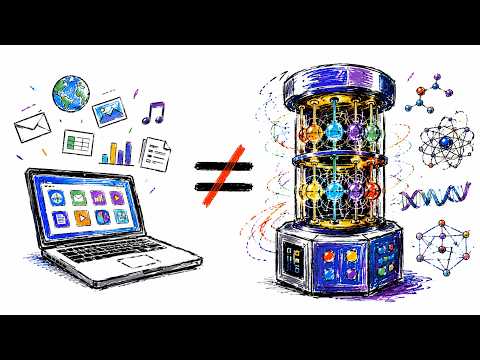
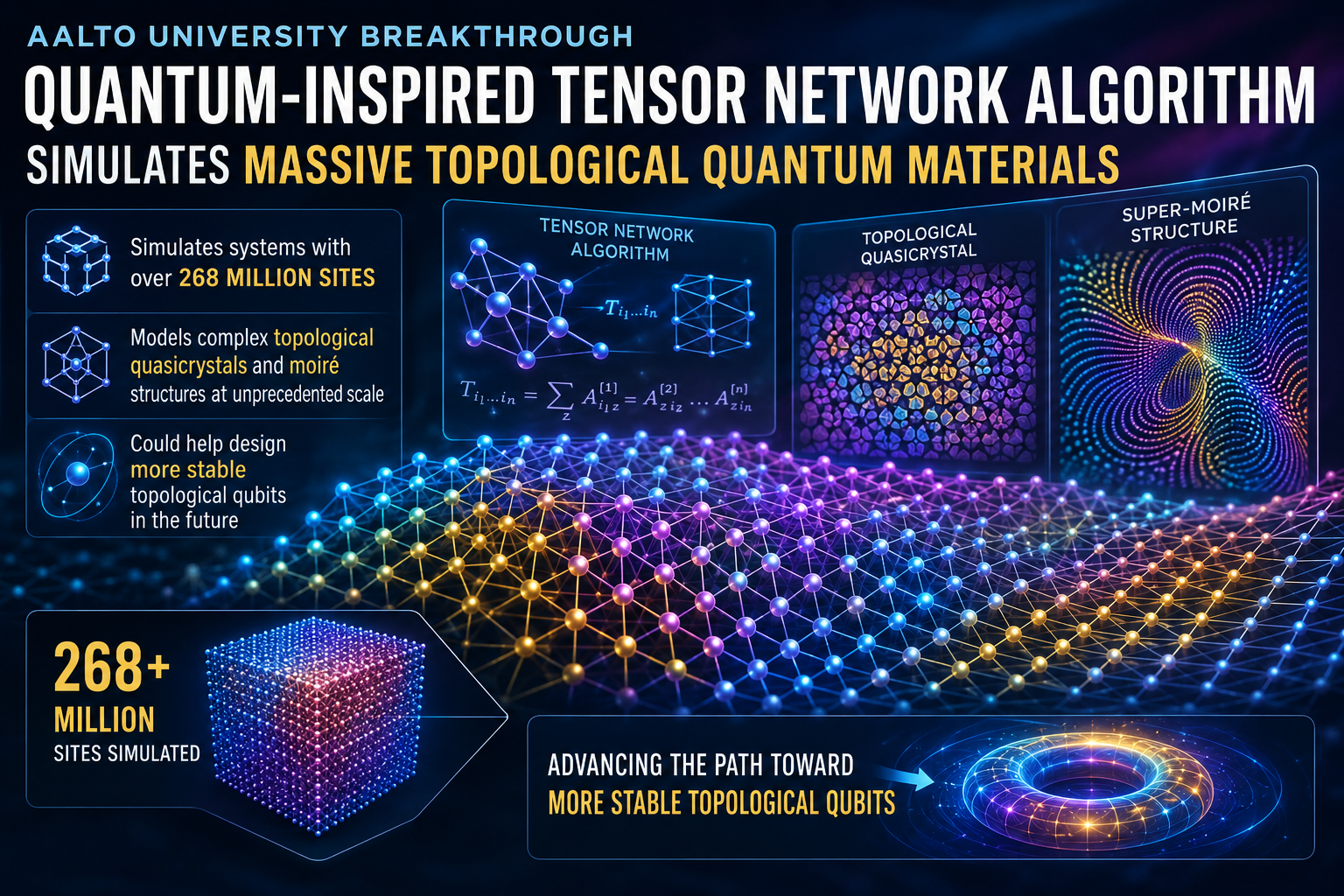
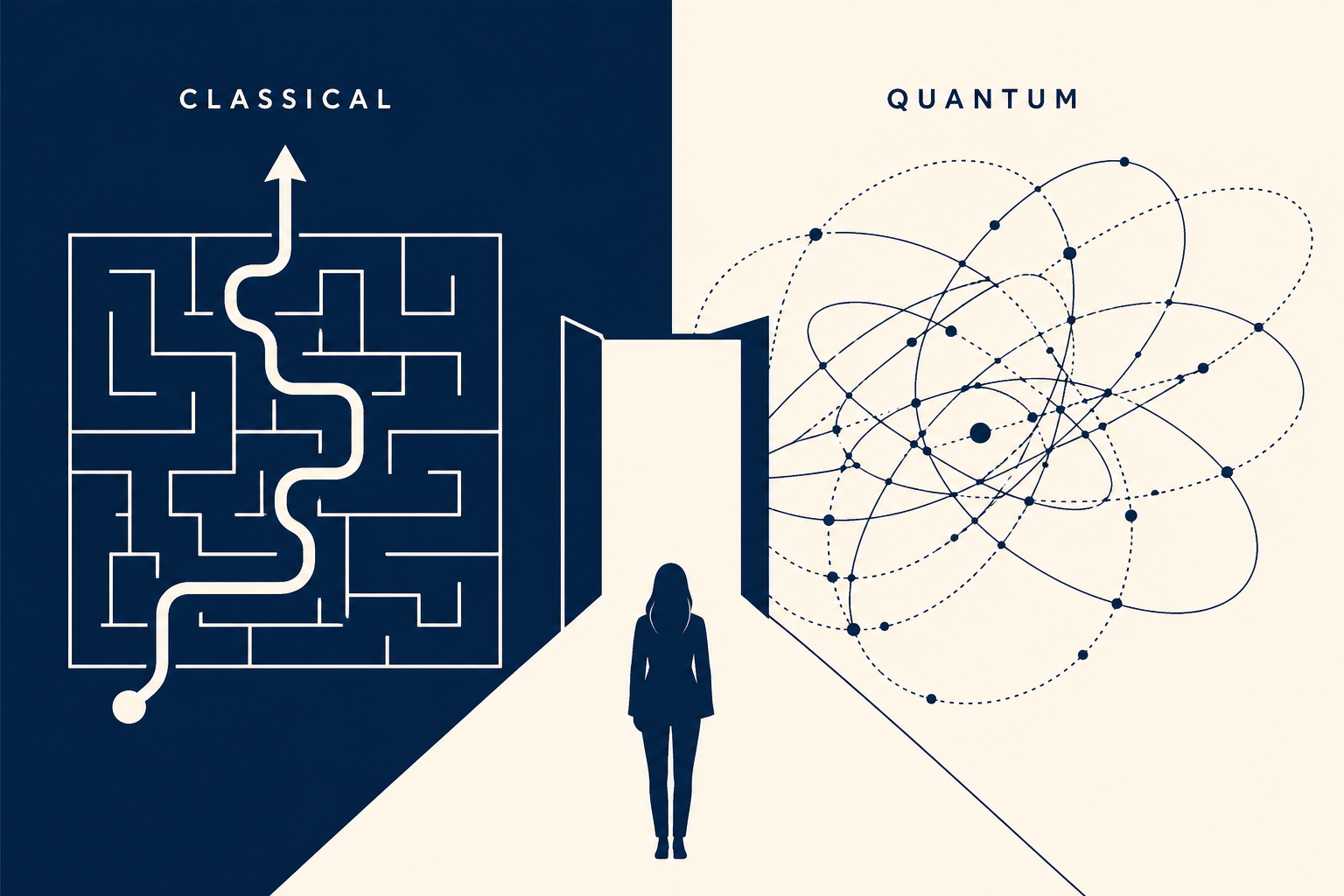
Within the deep cold of quantum laboratories, computation unfolds in a dance of particles and probabilities. As the machinery of tomorrow’s dreams, quantum computers now wrestle with more than theoretical shackles—their nemesis: noise. The achievement of error correction is the field’s holy grail, promising answers to complex scientific queries beyond the reach of classical computing.
By 2036, quantum computing may pierce through the mysteries of molecular reactions, yet its effects remain specialized rather than ubiquitous. For now, the allure of quantum remains shrouded in promise and potential, a journey through the enigmatic corridors of time.
Advanced Energy: Powering a New Paradigm
Another domain ripe for reinvention, advanced energy, is witnessing a dramatic recalibration of economics as battery prices continue their descent. With the stabilization of power grids through revolutionary storage solutions and the advent of small modular reactors, the energy landscape is poised for a monumental shift.
The obstacles here lie not in possibility but execution. Engineering at scale and resource concentration present formidable challenges. But by 2036, the goal is a more sustainable world powered by a triad of technologies—batteries, renewables, and nuclear, intertwined like threads in a grand tapestry of energy innovation.
Space Systems: A New Frontier from Above
Orbit, once the exclusive domain of governments and scientists, now brims with commercial potential, its allure made tangible by the reusability of rockets. With thousands of satellites casting a web of connectivity across the globe, space systems quietly shape everyday life—from agriculture to climate monitoring.
Yet, barriers are abundant. Launch costs, orbital debris, and regulatory hurdles demand solutions. As we edge toward 2036, the promise of space systems lies in ubiquitous connectivity, a vision of universal reach bound by the dark expanse above.
A Converging Symphony of Innovation
These five technological pillars do not stand isolated; they are intertwined, their synergies crafting a future less as isolated achievements and more as a single, interdependent system. AI agents might identify groundbreaking battery technologies, while robots execute complex chemistry experiments, culminating in cleaner energy solutions that train further advancements in AI.
The road ahead is fraught with the shared constraints of economics, infrastructure, and trust. Yet, the potential remains grounded in a present where each small advancement hints at a larger tapestry being woven—a future we are not merely observing but participating in.
As you reflect on these possibilities, a quiet question lingers: how will these technologies integrate into your life over the next decade, challenging and reshaping it?
To continue this intellectual expedition and observe each advancement as it unfolds, join us at TechFlow Labs. Engage in our next discourse on the transformative potential of AI and share your thoughts—what technology do you believe will shape our world most profoundly, and why?
—