Quantum computing, as many of you are aware, is no longer just fodder for sci-fi novels. It’s here, growing rapidly, and its potential to revolutionize everything from pharmaceuticals to cryptography is immense. However, there’s a significant challenge that could hit the brakes on these advancements: a critical skills gap.
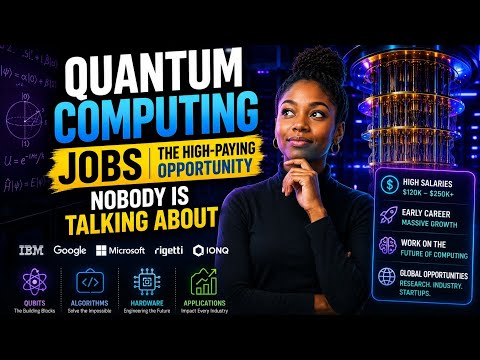
This video is from ImpactQuantum.
The talent shortage isn’t a small blip on the radar; it’s a massive storm cloud over an industry poised for explosive growth. It’s not merely a gap—it’s a chasm. A recent surge in quantum-related job openings paints a stark picture. From 2020 to 2024, roles with “quantum” in the title have climbed by 180% on platforms like LinkedIn. As if that weren’t startling enough, the Quantum Economic Development Consortium predicts the need for about 100,000 additional workers in quantum sciences by 2030. Yet, a report from McKenzie in 2022 highlighted a sobering statistic: there’s only one qualified candidate for every three quantum jobs.
This talent shortfall is more than an HR headache; it’s a serious risk to the economy. The inability to efficiently convert laboratory innovations into real-world applications could hinder not just technological progress but economic growth and competitiveness on a global scale.
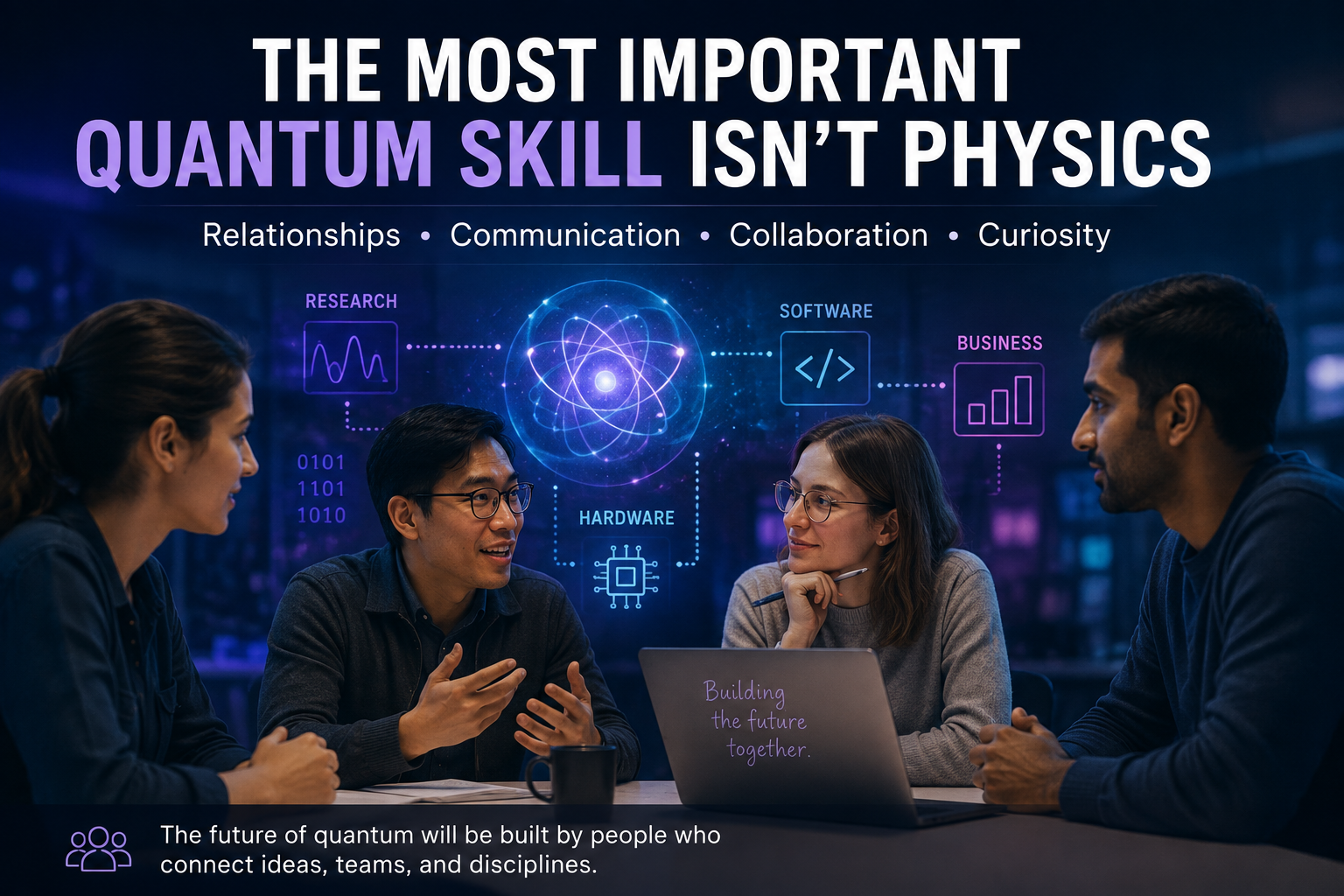
So, what specific skills are quantum industries crying out for? It’s not just physics wizards or software developers, though they are undoubtedly in high demand. Roles like quantum error correction experts and cryogenic systems engineers are crucial yet incredibly niche – there are roughly 500 qualified individuals globally, yet over 1,200 vacancies. Quantum software and algorithm developers are also essential, as are specialists who can apply quantum computing to fields like finance or chemistry.
The educational response to this demand has, regrettably, been lagging. Universities struggle to concoct curricula that blend physics, computer science, and engineering into a cohesive and comprehensive quantum education. As of 2022, only a tiny fraction of university quantum research programs globally offered graduate-level degrees in quantum subjects. Moreover, many institutions lack the cutting-edge facilities needed to offer students invaluable hands-on experience with quantum technologies.
Despite these challenges, it’s not all doom and gloom. There’s a light at the end of the tunnel thanks to innovative approaches from various sectors. Forward-thinking companies are stepping up through investments in upskilling and reskilling programs. Surveys reveal that a significant portion of tech employees are keen on quantum computing training, showcasing a widespread recognition of the field’s importance and potential.
Online courses and certifications such as those offered by MIT XPro, IBM’s quantum learning, or Microsoft’s Azure Quantum Developer are becoming popular for their practical, hands-on approach to quantum education. What’s more, these programs are bringing in professionals from adjacent fields like electrical engineering or computer science, who are pivoting into quantum careers by leveraging their existing skills.
The collective push doesn’t stop with private enterprises. Governments around the world are pouring billions into quantum research and training. The U.S. National Quantum Initiative, the UK, and European Union have all committed substantial resources to nurturing a skilled quantum workforce. Collaboration between industry and academia is also intensifying, with big names like IBM, Google, and Microsoft forging partnerships to offer internships, develop new degree programs, and create early exposure opportunities for students at all levels of education.
The road ahead is challenging, but the concerted effort from multiple fronts offers hope. By fostering a holistic educational approach and bridging the gap between theoretical knowledge and practical application, we can tune and ready our supercar of computing for the fast lane of technological progress.