In the hushed depths of technological advancement, where ambition meets precision, China has taken yet another stride forward. They have reported significant achievements in quantum networking, bringing the long-envisioned quantum internet closer to reality. Yet, the race to dominate this future frontier is far from over, with global powers like the United States strategically positioning themselves in this high-stakes game. Let’s take a gentle stroll through the marrow of these developments, uncovering what they mean in the grand tapestry of technological evolution.
Based on content from Quantum Insight
February 2026 marked a shimmering moment for Chinese researchers as they successfully implemented device-independent quantum key distribution over a 100 km stretch. This breakthrough, spearheaded by notable figures such as Pan Jianwei from the University of Science and Technology of China, is not just a technical feat but a leap towards scalable quantum networks. It’s like perfecting the strings of a violin that make the orchestra of future communications hum with clarity.
May 2026 witnessed another breakthrough, where Chinese pioneers created a 14.5-km matter-to-matter entanglement network via a multimode quantum relay. This move signifies more than just technological prowess; it hints at the poetry of connecting urban landscapes with quantum threads, creating a tapestry where information moves seamlessly, untouched by the prying eyes.
While these events might inspire a narrative of triumph, labeling China as the unchallenged victor in the quantum race is simplistic. The U.S. has opted for a strategy that marries quantum prowess with diverse applications. By diving into distributed quantum computing and quantum sensing, they are crafting a tapestry with a different hue — one that focuses on holistic integration rather than just quantum communications dominance.
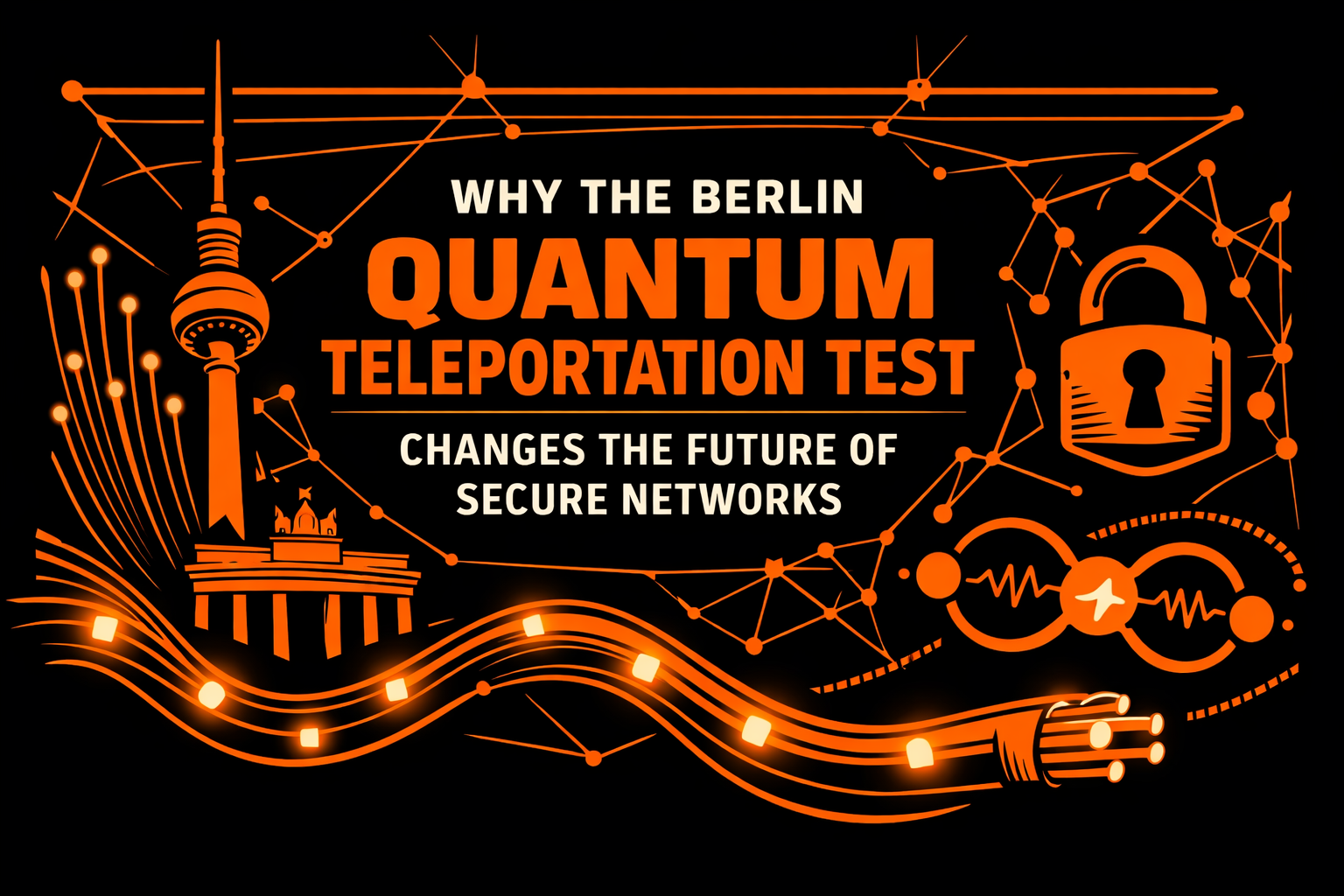
The executive order from the White House in June 2026 exemplifies this commitment, pushing agencies to weave quantum into the very fabric of their operational strategies. This isn’t so much a game of catch-up as it is a different path towards the same destination, with NIST researchers demonstrating entanglement distribution over 62 km of real-world aerial fiber, which maintains robustness over time. It’s a dance, really, between ensuring technological vigor and pragmatic application.
To see this competition merely as “Who built the quantum internet first?” is to miss the deeper question: “Who can best integrate quantum technologies into a cohesive, reliable network that translates to practical computing and sensing utilities?” It’s more an open race than a sprint to the finish, with potent echoes of artistry and anticipation.
China’s advancements reflect a deeply rooted infrastructure, an extensive ensemble of more than 12,000 km of QKD fiber stretching calmly across 80 cities. Their head start is undeniable, with a blend of satellite-based experiments and urban networking milestones. But the larger narrative isn’t about burying ambitions behind kilometers of cable but about leveraging these structures to transcend them.
Washington’s approach could be likened to nurturing a seedbed of quantum innovation — from aggressive executive orders that spawn strategic technological advantages to robust research efforts sprouting like fresh tendrils in fertile grounds. They knowingly wager on the horizon where distributed sensing and computing could redefine national security and technological competence.
If both paths seem to diverge, consider that they are merely variations in exploration. The U.S. and China are both sculpting the future with their unique chisel strokes. Each has their strengths and potential, much like musicians in an orchestra who play different instruments yet come together to create harmonious symphonies.
In contemplating these advancements, we should pause and reflect — not on who wins this race but on how these technologies reshape our understanding of communication, security, and collaboration. Will the architectures we are building today serve as bridges towards a safer, more interconnected world where trust is woven intricately into the very fabric of the internet we yearn to build?
—